Online Analysis Tool Now Exports CSV Output

By Matthew Sobek

IPUMS is pleased to announce a major usability upgrade to our online analysis tool: the ability to download tabular output as a CSV file. No more cleaning up html!

The IPUMS online analysis tool has been a big hit with our users, and we’ve made it available for most of the IPUMS data collections. If you haven’t tried it, you should. We even have a tutorial.

Despite its popularity with users, the SDA (Survey Documentation and Analysis) software that drives the system has always had a significant limitation: it produces tables in html format, which is fine for web display but highly inconvenient for cutting and pasting into documents.

In spring 2020 the SDA folks at the Institute for Scientific Analysis were looking for a new project and thoughtfully asked what change we thought users would most appreciate. We responded immediately “CSV downloads,” and within a few months, they had produced a working version of the software that incorporates the new feature. We have now upgraded all the IPUMS sites that offer online analysis to the new version of SDA.

Continue reading…

Delivering data: Technology at the MPC

MPCSuperman (1)

“Good IT is invisible,” says MPC IT Core director Fran Fabrizio. “You want the users to have the idea that it’s a magic black box.” Though the intent is for the technology behind IPUMS and the other MPC data tools to seem effortless, Fabrizio understands the extent of the human work goes that goes into producing good technology. Getting 2.6 terabytes of data out to users each week requires no small amount of technology behind it.

Continue reading…

Data For All: IPUMS-DHS Launches Training Workshops in Africa

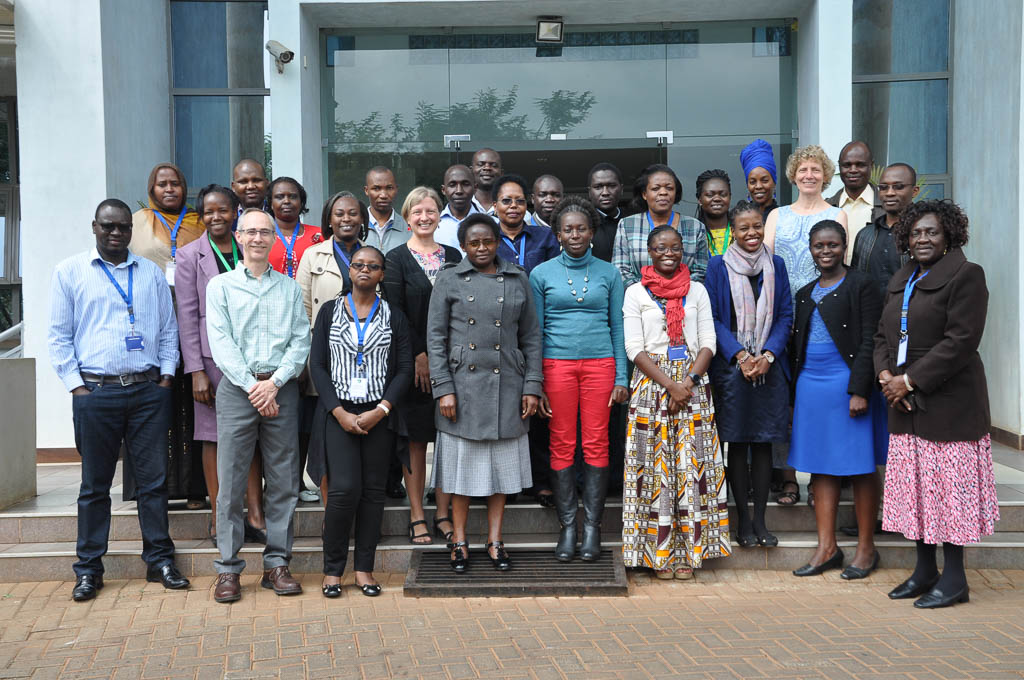
IPUMS-DHS Workshop Participants and IPUMS-DHS Staff Pose in Front of the APHRC (Photo by APHRC)
IPUMS-DHS Workshop Participants and IPUMS-DHS Staff Pose in Front of the APHRC

If you are a student, faculty member, or researcher in the United States, you can learn about IPUMS data through an exhibit or workshop at professional conferences held on multiple occasions each year. Thousands of U.S. demographers, geographers, sociologists, economists, ecologists, health researchers, and others have learned about IPUMS through these events. But what if you are student, teacher, or researcher in Africa, where resources are far less plentiful?

Continue reading…

A History of Data: Good People, Good Work

Button that says "Talk data to me" with MPC logo

Bethel University Professor of History Diana L. Magnuson is documenting the growth of the Minnesota Population Center. Believing that preserving institutional memory is vital, the Center is supporting Magnuson’s work to capture oral histories of past and present MPC faculty and staff. This is the third in a three-part series of oral histories. This post features several senior research staff: Trent Alexander, Sarah Flood, Ron Goeken, Patricia Kelly Hall, Monty Hindman, and David Van Riper.

Continue reading…

Addressing the Importance of Data

Flags of member nations flying at United Nations Headquarters
Flags of member nations flying at United Nations Headquarters. UN Photo/Joao Araujo Pinto. www.unmultimedia.org/photo/

In April, MPC Director of Data Integration Matt Sobek was invited to speak at an event for the United Nations’ 49th Session of the Commission on Population and Development. The special session, “The Data Revolution in Action: National and International Experiences with Microdata Dissemination and Public Use,” was created to show attendees examples of national and international organizations distributing data for public use.

Continue reading…

Counting—and Redefining—the Cost of War

MPC faculty member J. David HackerAssociate Professor of History and MPC Faculty Member J. David Hacker made headlines in 2011 when he published a groundbreaking study of the total number of U.S. Civil War dead. Hacker argued that the widely-accepted figure of 620,000 was far too low. Using IPUMS, Hacker showed that the number of dead was at least 750,000—if not more. His article, “A Census-Based Count of the Civil War,” published in Civil War History, was introduced by the editors in the issue as “among the most consequential pieces ever to appear in this journal’s pages.”
Few demographic historians expect attention from mainstream press when they publish their research, but Hacker’s study attracted national interest, including interviews with the New York Times and National Public Radio.

Continue reading…

Migration is a Climate Change Issue

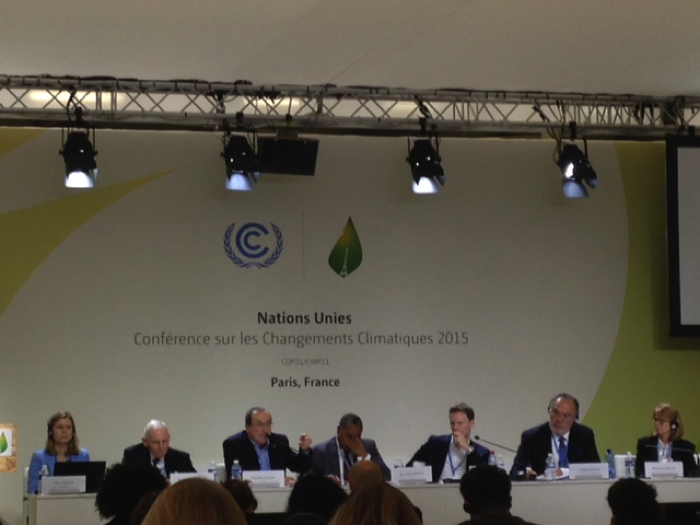
International Organization for Migration Panel
International Organization for Migration (IOM) Panel. Paris, France.

How and to what extent do our leaders and decision-makers need to address migration as a climate change issue? This issue was at the forefront of our minds recently when we had the unique opportunity to attend the 21st annual climate talks, known as the Conference of the Partners (COP21), in Paris, France in November and December of last year.

We participated in COP21 as part of a wider delegation from Minnesota that included past and current Minnesota state representatives, St. Paul Mayor Chris Coleman, and several other representatives from government and non-governmental organizations. Like previous meetings, the goal of COP21 was to convene a meeting of world leaders and to negotiate a global climate treaty, laying the groundwork for preventing global average temperatures from rising no further than a maximum of two degrees Celsius above preindustrial levels.

Continue reading…