
This past month, the IPUMS Time Use team attended the International Association for Time Use Research (IATUR) meetings, which were held in Washington, DC from July 10-12. The meetings were engaging and inspiring, and there were many papers featuring IPUMS Time Use data. We love seeing our data being used! This blog post features some of the research that was powered by IPUMS.
IPUMS Time Use
Posts related to IPUMS Time Use
New to IPUMS Time Use and IPUMS MEPS: Rectangularizing Down
Don’t be a square—rectangularize!
Introducing…the option to rectangularize down for extracts in IPUMS Time Use and IPUMS MEPS.
What do we mean by “rectangularize”?
Forging New Paths for Adulthood
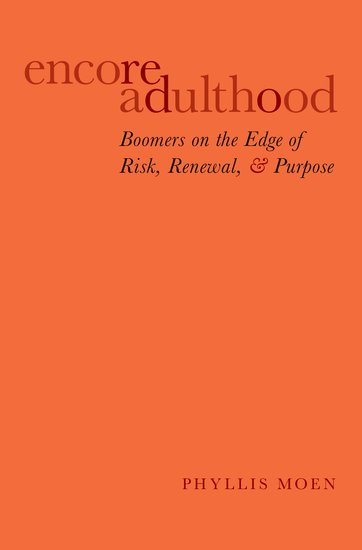
We all know about what Phyllis Moen calls the linear lockstep life path: first learning, then working for advancement (or at least security), then retirement. What happens when this traditional path no longer fits the realities of most people’s lives?
All work and no play with children makes moms less happy parents

Researchers from Cornell University, the University of Minnesota, and the Minnesota Population Center have used IPUMS Time Use data to find that mothers are less happy than fathers with their parenting duties. Mothers report more stress and greater fatigue than fathers. This experience gap is attributed to the differing tasks of each parent. The paper was recently published in the American Sociological Review.
Conference Recap: Time Use Across the Life Course
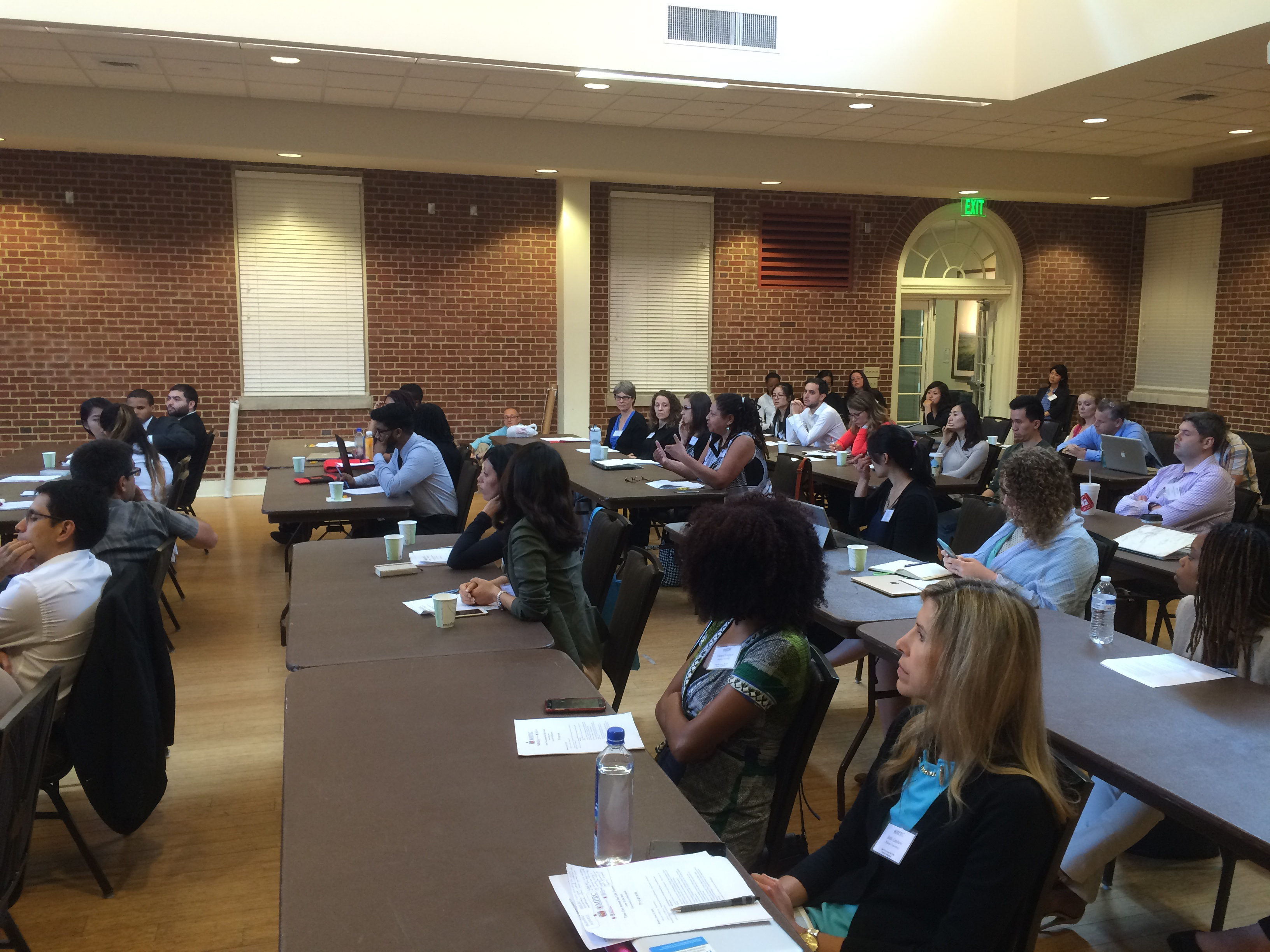
Over 100 students, faculty, and researchers gathered June 27 and 28, 2016 at the University of Maryland, College Park, for a conference on Time Use Across the Life Course, funded by the Maryland Population Research Center at the University of Maryland and organized by Liana Sayer. Conference attendees came from the United States, Australia, Singapore, England, and Belgium.
Couples That Spend Time Together Are Happier Individuals

In research published earlier this year, two MPC researchers found that married couples in the U.S. are happier and more fulfilled when they are together rather than apart, underscoring the importance of spending time with a spouse for individual well-being.