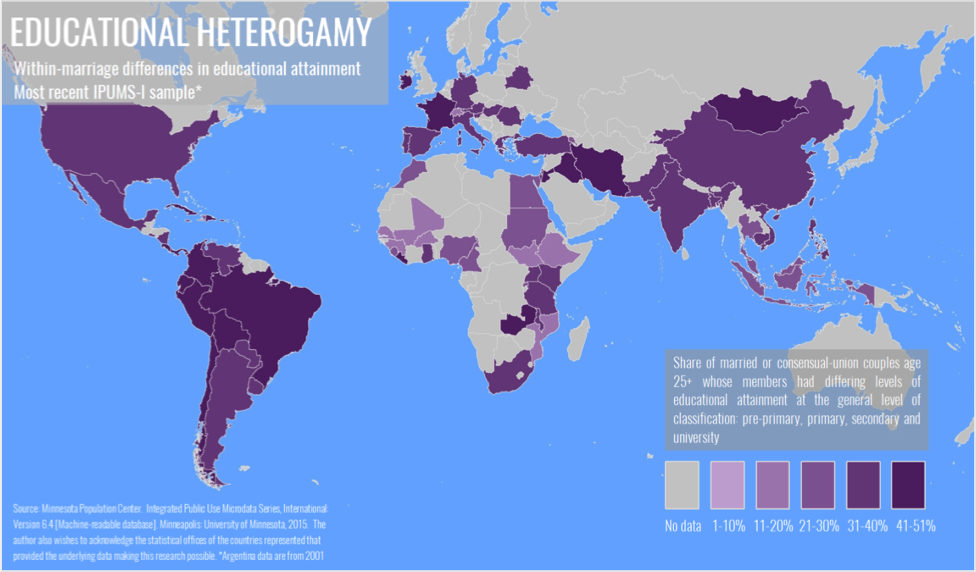
Learning from Data: From Systemization to Investigation

Slide1

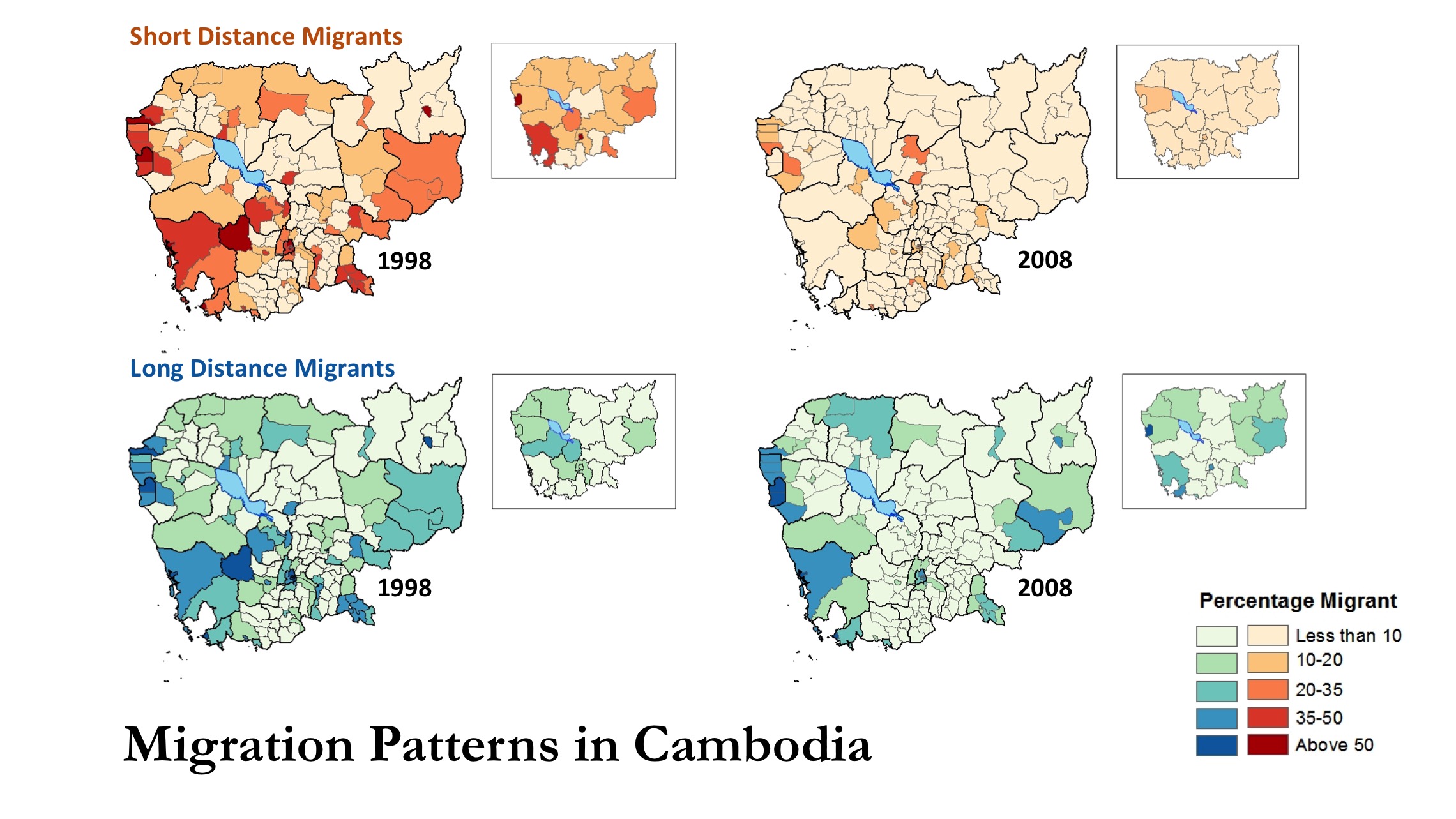
Benjamin Hartman is a 2016 Summer Diversity Fellow  at the MPC. As part of his fellowship, he learned how to take unprocessed data to produce harmonized IPUMS-I data and documentation, make GIS maps, and conduct his own case study investigating the spatial dimensions of internal migration using the Cambodian census. Hartman worked with his colleagues in IPUMS International to create this blog post.

Continue reading…

How Historical Data Become Public

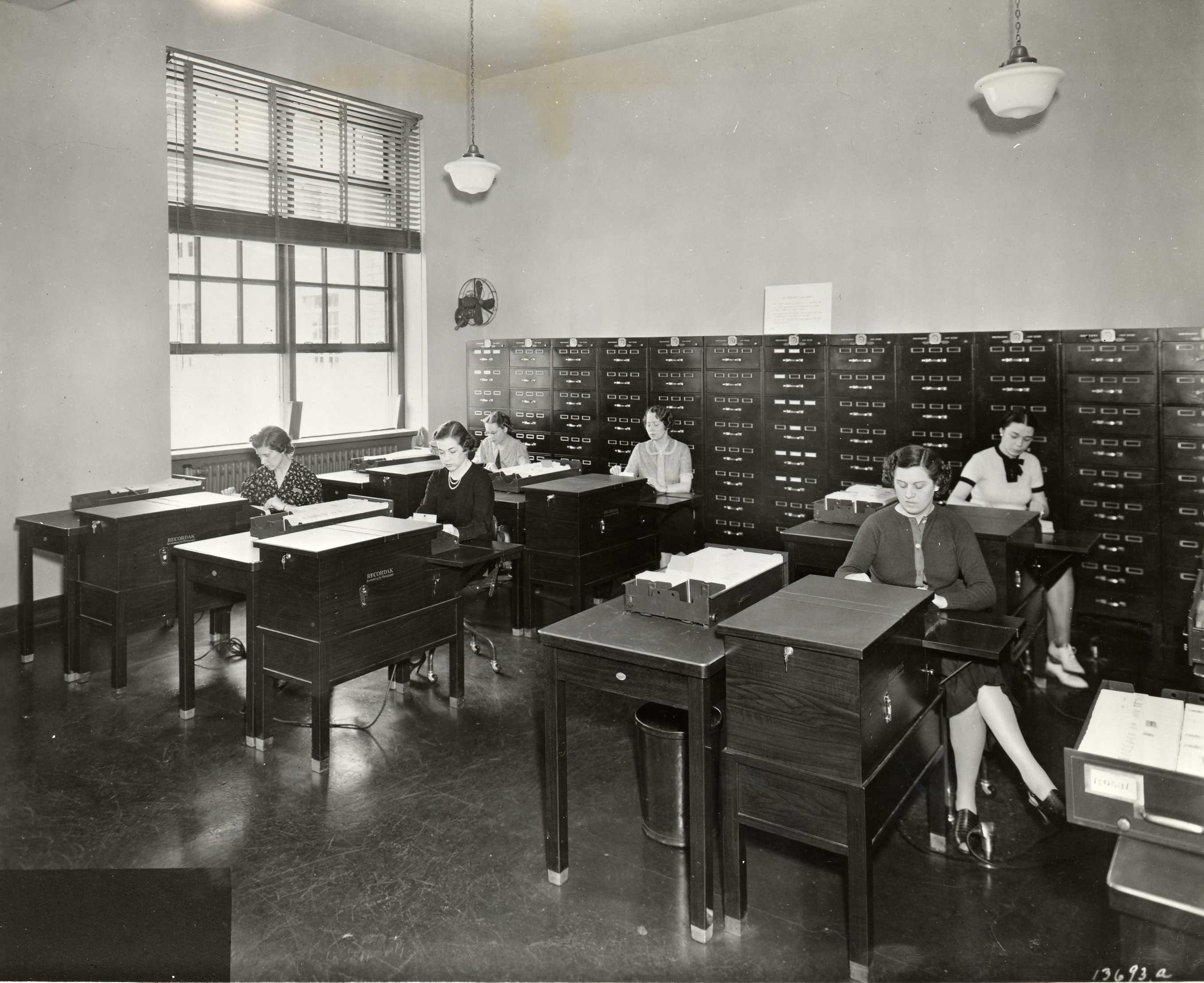
Six Census Bureau employees sitting and working at desks
1950 Census Bureau employees photographing records from the 1900 census for storage on microfilm. Photo: U.S. Census Bureau

An enormous amount of information about the characteristics and activities of ordinary people is just waiting to make its debut for researchers to analyze — two billion people and their households, spanning over 100 countries, from 1703 to the present day. All these data will be available for computer analysis by the general public, for free, by 2018.

Continue reading…

The Case of the Missing Prostitutes in Late 19th Century London

Group of men in top hats and women in dresses standing together in a Haymarket
Image: Prostitutes offer their services in the Haymarket, engraving by an unnamed artist. From London Labour and the London Poor: Volume Four by Henry Mayhew.

Where are all the prostitutes in the census records of London 1881? In her book, Prostitution and Victorian Society: Women Class and the State , Judith Walkowitz says that a 19th century city like London (where prostitution was legal) had one prostitute per 36 inhabitants. Based on the 1881 London population records, that amounts to about 24,000 prostitutes. The coded occupations in 1881 London data, however, show no signs of prostitutes anywhere.

Continue reading…

Addressing the Importance of Data

Flags of member nations flying at United Nations Headquarters
Flags of member nations flying at United Nations Headquarters. UN Photo/Joao Araujo Pinto. www.unmultimedia.org/photo/

In April, MPC Director of Data Integration Matt Sobek was invited to speak at an event for the United Nations’ 49th Session of the Commission on Population and Development. The special session, “The Data Revolution in Action: National and International Experiences with Microdata Dissemination and Public Use,” was created to show attendees examples of national and international organizations distributing data for public use.

Continue reading…